
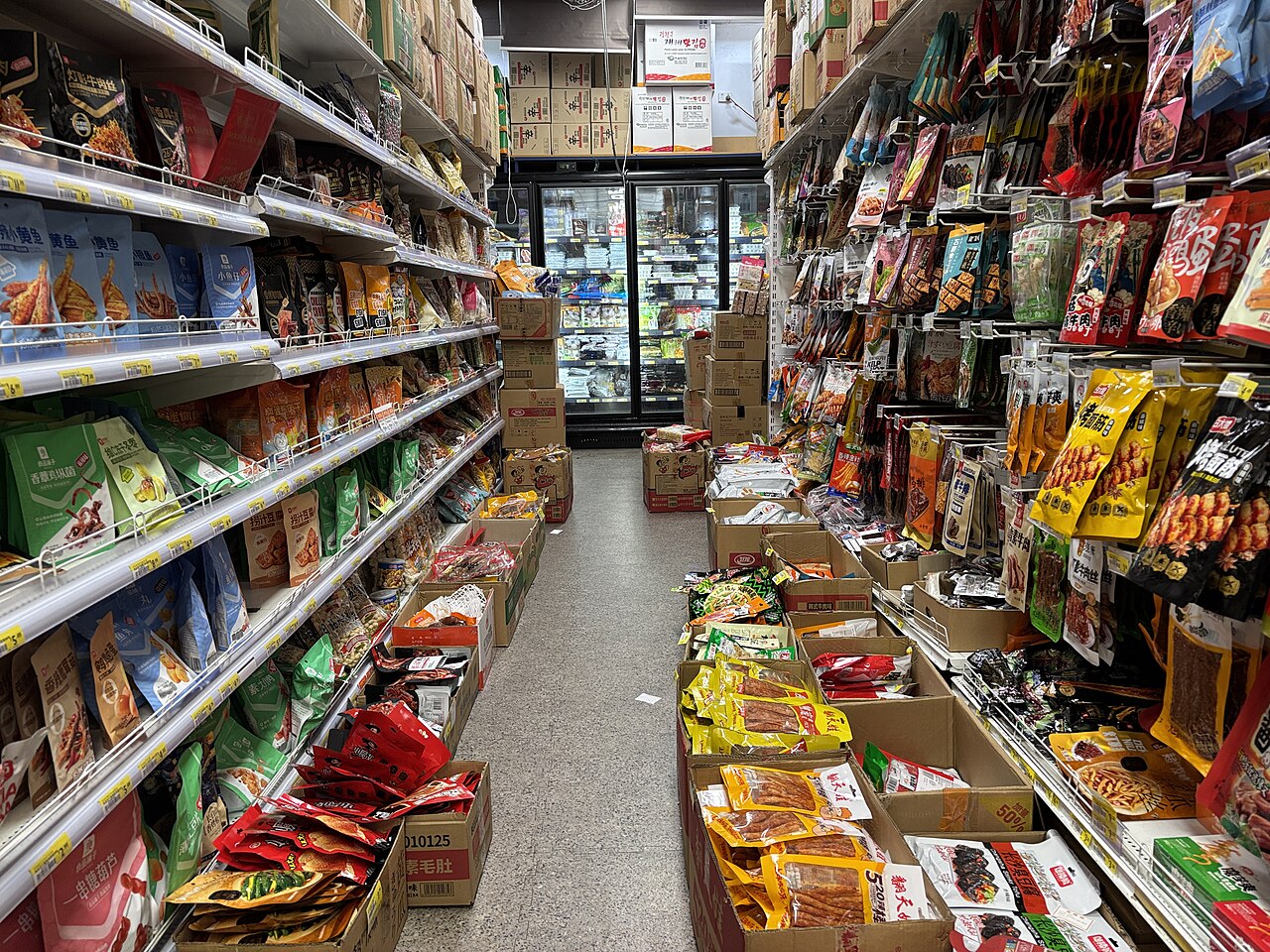
You feel it before you finish unloading the cart. The total on the screen has crept past what it used to be, again, and the bags somehow look lighter than the number suggests. Maybe you’ve started doing the math in the aisle, putting one thing back so another can stay. Maybe a brand of coffee you’ve bought for years now feels like a small luxury. That sting is real, and it is not in your head. Food has genuinely gotten more expensive, faster than your pay, and being angry about it is a perfectly sane reaction.
So when someone tells you the reason is “too many new people buying up the groceries,” it sounds like it might add up. More mouths, more demand, higher prices. But follow the money. Trace where the extra dollars on your receipt actually went, and the story leads somewhere else entirely: to weather disasters on other continents, to a dollar that lost value, to the cost of moving food across a vast country, and to the handful of companies that ring up most of what you buy.
The price was set far from your checkout line
Start with the official tally. Statistics Canada reports that grocery prices rose 3.5% in 2025, up from 2.2% the year before. Some staples ran much hotter than that: meat climbed 5.8%, and coffee jumped a striking 20.3% in a single year (Statistics Canada).
Coffee is the tell. Canada does not grow it. A 20% spike in the price of beans has nothing to do with who moved in down the street and everything to do with droughts and frosts hitting growing regions abroad, plus the cost of getting it here. When a product we import entirely gets dramatically more expensive, the cause is upstream, far upstream, from your local store.
A weak dollar and a string of bad harvests
The Bank of Canada looked closely at why food inflation flared back up, and the answer was not domestic demand. The central bank found the main culprit was the cost of imports, pushed up by a significant drop in the value of the Canadian dollar in late 2024. A weaker dollar makes every imported food item cost more, full stop (Bank of Canada).
On top of that came supply shocks. Extreme weather squeezed coffee and confectionery. Drought and high feed costs hit livestock, which is why beef in late 2025 ran about 17% higher than a year earlier (Bank of Canada). The Bank also noted it takes six to nine months for these cost pressures to reach the shelf, so the prices that stung you this year were baked in by events months earlier and oceans away.
Your grocery bill is a weather report from somewhere else, a currency chart, and a fuel invoice, long before it is anything about your neighbours.
The few companies between the farm and your fridge
There is one more place the money stops on its way to you. Canada’s grocery market is unusually concentrated. The Competition Bureau studied it and found that most of what Canadians buy passes through a small number of giants. In one year, the country’s three largest grocers reported more than $100 billion in sales and more than $3.6 billion in profit (Competition Bureau).
The Bureau also found that grocers’ food gross margins crept up by one to two percentage points since 2017, which works out to roughly an extra dollar or two on every $100 you spend. That sounds small until you remember how much you spend on food in a year, and that it lands on millions of carts at once. The Bureau’s plain conclusion was that Canada needs more grocery competition, because when a few players hold the shelves, there is little pressure to keep prices keen (Competition Bureau).
Where immigration honestly fits
Here is the fair part. More people in a country does mean more food bought, and population growth is one of many things that nudges demand. Pretending newcomers have zero effect on any market would be dishonest.
But look at the actual drivers of this price surge: a sinking dollar, droughts and frosts abroad, a thinned-out cattle herd, the long haul of moving food across Canada, and the pricing power of a concentrated industry. None of those were caused by the family shopping next to you. They face the very same prices you do. A newcomer pays the same 20% more for coffee and the same markup at the till. They are squeezed by the identical machine.
Who profits, and what could change
Follow the money to the end and it does not arrive at the cart beside yours. It arrives at commodity markets, at the exchange rate, at fuel and freight, and at a checkout system owned by a few very large companies posting billions in profit.
The fixes are unglamorous but real: more competition so prices have something to push against, steadier supply chains, and honest scrutiny of margins. None of that asks us to resent each other in the aisle. It asks us to aim the frustration at the system that actually emptied the wallet.